
On World Water Day, we celebrate Australia Awards alumni who are making meaningful contributions to sustainable development in their home countries. This year’s theme, “Water and Gender” — or “Where water flows, equality grows” — highlights the disproportionate impact of water scarcity on women and girls, while recognising their vital role in water management and leadership.
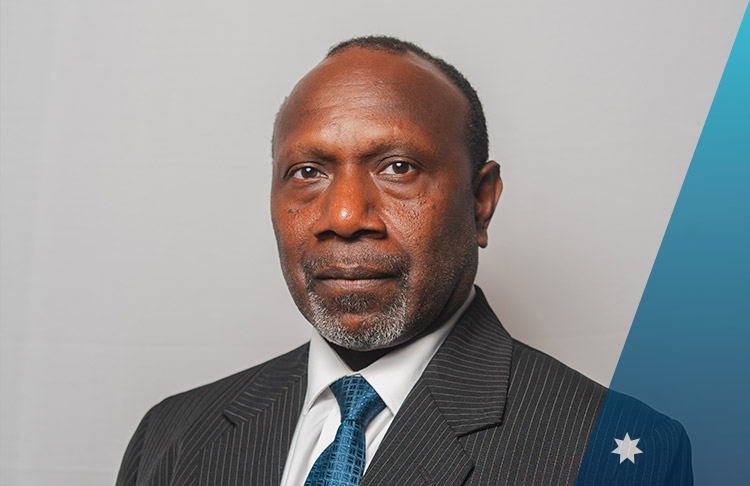
Erickson Sammy, Director of the Department of Water Resources within the Ministry of Lands and Natural Resources in Vanuatu, and an Australia Awards alumnus who completed a Master of Integrated Water Management at the University of Queensland, is one such leader. Through his work, he is advancing inclusive and resilient water management systems that directly improve the lives of communities across the country.
Erickson highlights the critical role that water management policies play in promoting equality, particularly for women and girls—an issue at the heart of this year’s World Water Day theme. In many communities, the responsibility of collecting water falls disproportionately on them, often requiring long hours of physically demanding work.
“Effective water policies that prioritise improved infrastructure, equitable service delivery, and community-based management can significantly reduce this burden,” he explains. By ensuring access to safe and reliable water, these policies create opportunities for women and girls to pursue education, employment, and other productive activities.
He also emphasises the importance of inclusive planning. Policies that actively engage women in decision-making processes help ensure that water systems are designed to meet the needs of all users, leading to more sustainable and equitable outcomes.
Erickson’s postgraduate studies focused on Integrated Water Management, an approach that considers the connections between water resources, ecosystems, infrastructure, and communities.
“Integrated Water Management allows governments to plan more effectively by bringing together sectors such as environmental protection, agriculture, and community development,” he says. This holistic approach ensures that water resources are managed sustainably while meeting the needs of growing populations.
He notes that participatory planning is central to this approach. By involving stakeholders—including vulnerable groups such as women and rural communities—governments can create water systems that are both inclusive and resilient. This is particularly important in the face of climate change, natural disasters, and increasing demand for water resources.
In line with the World Water Day focus on gender equality, Erickson underscores the need to strengthen women’s participation in water leadership. Despite their central role in household water management, women remain under-represented in leadership positions within the sector.
“Governments and institutions must promote gender-balanced representation in decision-making bodies and invest in capacity-building initiatives,” he says. Training, mentorship, and leadership development programmes can empower women to take on greater roles within the sector.
At the community level, encouraging women’s participation in local water committees ensures that their perspectives inform the design and management of water systems. Erickson also stresses the importance of inclusive recruitment practices to encourage more women to pursue careers in water management and related fields.
Reflecting on World Water Day, Erickson calls on young professionals to recognise the value of water as a vital resource and a driver of equality.
“Sustainable water management is essential for the wellbeing of both people and the environment,” he says. He encourages future leaders to remain curious, embrace innovation, and learn from both scientific knowledge and community experiences.
He also underscores the importance of collaboration and inclusivity. By working across disciplines and ensuring that the voices of vulnerable communities are heard, young professionals can help build water systems that are resilient, sustainable, and accessible to all.
“The future of water management will depend on passionate and dedicated individuals who are committed to protecting this essential resource for generations to come,” Erickson concludes.
Through his leadership and commitment, Erickson Sammy exemplifies the impact of Australia Awards alumni in driving positive change—ensuring that water management in Vanuatu is not only sustainable, but equitable for all.